
The leather industry has long been a cornerstone of Pakistan’s manufacturing and export economy. Among its many sectors, leather gloves stand out as a specialized segment with both heritage and growth. The history of the leather gloves industry in Pakistan is closely tied to the broader leather and tannery businesses, the export-oriented growth of small and medium enterprises, and the rise of hubs like Sialkot and Kasur.
Early Years: Foundation and Growth
After the partition of India in 1947, Pakistan inherited a modest leather‐crafting tradition, primarily focused on raw hides, footwear, and basic leather goods. The 1950s saw the establishment of small tanneries and traditional workshops in cities like Lahore, Multan, Karachi, and Kasur. These were mostly producing vegetable tanned leather and local leather products, rather than gloves for export.
In the 1960s and 1970s, as industrialization increased and export markets opened, the leather sector began to modernize. New tanneries emerged, and leather started being processed into semi-finished or “wet blue” form, which could be further processed and used in manufacturing finished goods. Gloves manufacturing began to get organized more formally during this time.
Emergence of Glove Manufacturing in Sialkot and Other Hubs
Sialkot, already famed for its sports goods, surgical instruments, and leather items, became the principal center for glove manufacturing. The city hosts a large number of small- and medium-scale enterprises specializing in leather gloves, both for safety/industrial use and for fashion or sports. According to the Trade Development Authority of Pakistan, there are around 150-200 glove manufacturing units in Sialkot alone.
Challenges, Regulation, and Modernization
As glove production expanded, so did the challenges. Raw material shortages, especially of good quality hides and wet blue leather, have been recurring issues. In some periods of growth, many units relying on wet blue and split leather faced closures due to lack of supply.
Environmental regulations and international quality standards began to play a more important role, especially for exporters. Firms like M.R & Sons invested in laboratories and testing facilities to meet European EN standards (EN 420, EN 388 etc.) for safety gloves.
Energy shortages and rising costs, as well as competition from other countries, also put pressure on the industry. Machinery modernization, mechanization of stitching and tanning stages, and better quality control were steps firms took to remain competitive.
Present Status & Economic Significance
Today, the leather gloves sector contributes significantly to Pakistan’s exports. Non-textile leather goods including gloves are among the more important value-added leather exports. The industry provides direct and indirect employment to hundreds of thousands of people. In Sialkot, the glove manufacturing clusters are tightly integrated with tanneries, design houses, stitchers and exporters.
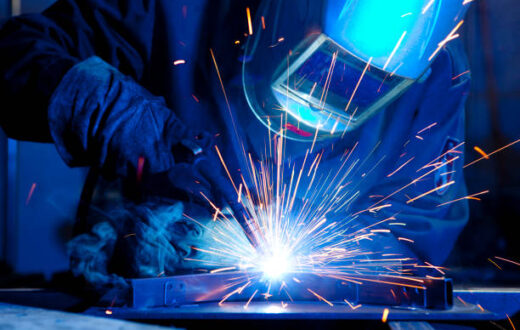
Moreover, many glove manufacturers now comply with international safety and mechanical resistance standards, produce a wide variety of gloves (industrial, sports, safety, driver, welding etc.), and export to Europe, USA and other markets. Firms are investing in quality, worker training, environmental compliance, and logistical improvements to meet the demands of global buyers.
Conclusion
From humble beginnings just after independence, with small tanneries and workshops, to becoming a globally competitive industry, Pakistan’s leather glove sector has come a long way. Through a combination of raw material availability (livestock/hides), entrepreneurial drive, export demand, improvements in standards, and dedication to craft, the industry has earned itself an important place in Pakistan’s manufacturing and export economy. For continued growth, addressing challenges such as raw material consistency, environmental sustainability, energy availability, and adhering to global standards will be key.